Nove Colli
 Challenge Cesenatico


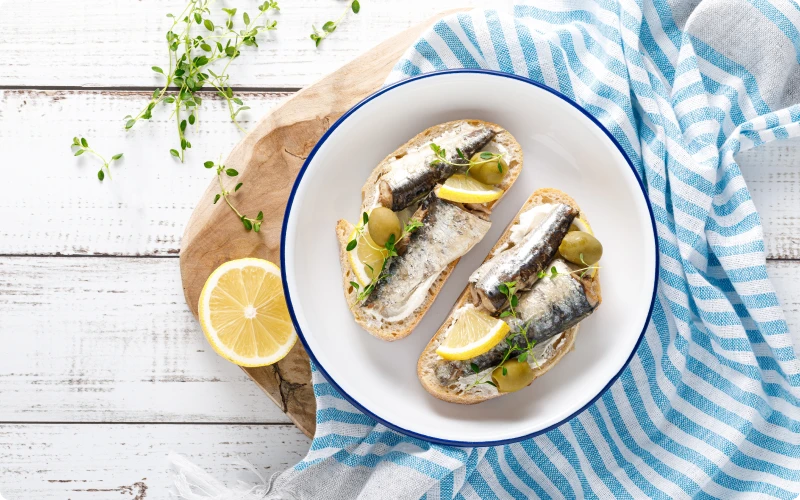
Blue fish is one of the most authentic symbols of Romagna cuisine and its deep connection with the sea. You don’t need to be a food expert to recognise it: anchovies, sardines, mackerel, anchovies and garfish are daily stars on the tables along the coast, from Cattolica to Cesenatico, with their tasty flesh and skin shimmering with silver and blue hues. This is a fish that needs no grand introduction: fresh, simple, popular. In every bone, it holds the story of those who have lived the sea for generations.
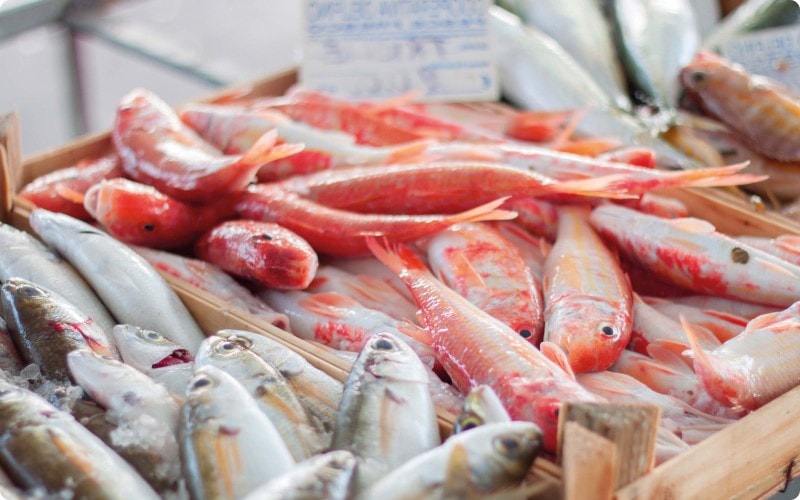
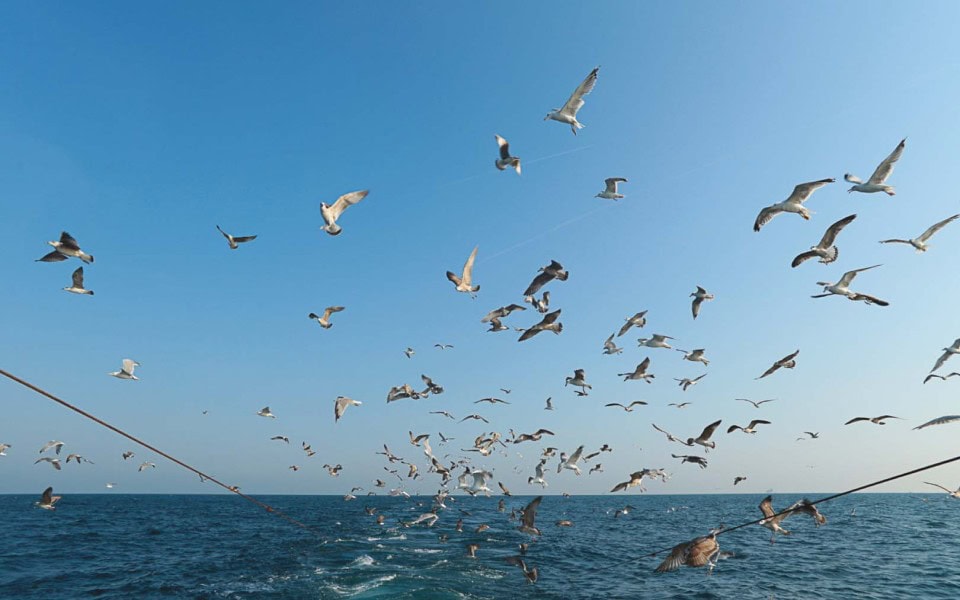
Once, oily fish was considered “the food of the people”. Fishermen would return to the harbour with nets full of sardines and anchovies, which were sold directly on the quay or immediately prepared in the kitchens of seafaring homes. Even the lifeguards, who split their days between the beach umbrellas and fishing boats, were familiar with this tradition: after a day’s work, all it took was a lit grill and a pinch of salt to turn the catch into an unforgettable dinner.
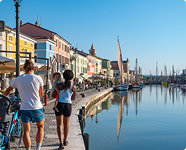
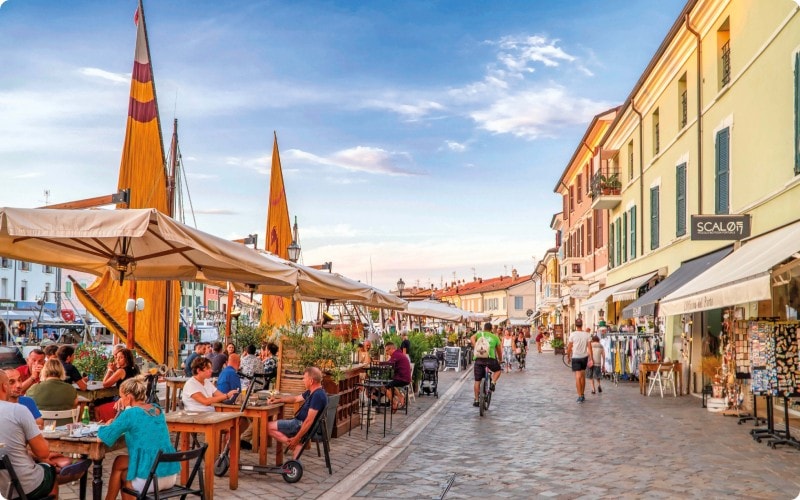
In Cesenatico, an ancient seaside town whose canal port was designed by Leonardo da Vinci, blue fish is a natural protagonist of the culinary tradition. Strolling along the pier, among the colourful sails of the Maritime Museum and the aromas wafting from the trattorias, it’s immediately clear that the cuisine here is born from the sea and the craft. The “rustide”, grilled sardines served on boats or at festivals, are a summer ritual that brings together locals and tourists. The fish crackles on the grill, accompanied by a glass of fresh Trebbiano and a slice of warm piadina: a pleasure that says far more than a thousand words about authentic Romagna.
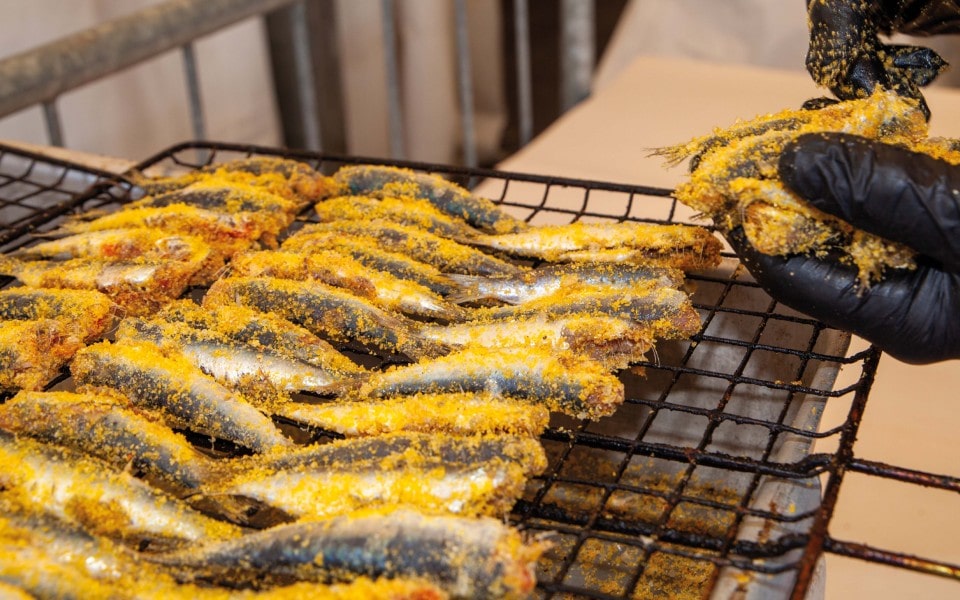
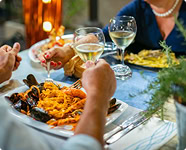
But oily fish isn’t just for grilling: in Romagnola cuisine, it’s also prepared marinated, fried, baked or stewed, depending on the season and the creativity of the chefs. Marinated anchovies with vinegar, lemon and parsley make a light and fragrant starter, while oven-baked mackerel with aromatic herbs is the most homely and authentic version. Don’t miss the famous “sardoncino alla graticola”, a symbol of Cesenatico and many other towns along the Romagna coast; or anchovies with bread and butter, sometimes wrapped in a wedge of piadina, still sold today in kiosks and markets at the harbour. Every bite recalls the flavour of the Adriatic Sea and the convivial atmosphere of fishermen’s homes, where the kitchen was always open to friends and neighbours, and even to those who couldn’t always afford a meal.
However, the culture of oily fish is also a sign of identity and respect for nature. It is a “humble” fish only in name, as it represents a sustainable and valuable resource, inspiring a cuisine that is light, nutritious, and environmentally conscious. Rich in omega 3 and history, it has become the symbol of a tradition that knows how to renew itself without forgetting its roots.
Every year, in the canal port of Cesenatico, the Sagra del Pesce Azzurro celebrates this maritime heritage with dishes, concerts, and tales of the sea. It is a unique opportunity to see old sailors in action, listen to the stories of fishing families, and discover how the sea continues to influence daily life on the Riviera. The boats are dressed up for the occasion, lights reflect on the water, and the air is filled with the scent of grills and joy. This is Romagna showing itself in its most genuine form: smiling, welcoming, and in love with its own sea.
After all, oily fish is not just an ingredient. It is part of a story woven from wind, sea salt and calloused hands, of breakfasts at dawn before fishing and dinners enjoyed on the beach watching the sunset. It is the living memory of a people who turned the sea into their home and work into celebration. And perhaps that is why, even today, a plate of grilled sardines or a sandwich with anchovies can evoke the true spirit of Romagna better than any souvenir.